Profile Polishing: The Psychology of Online Self-Editing
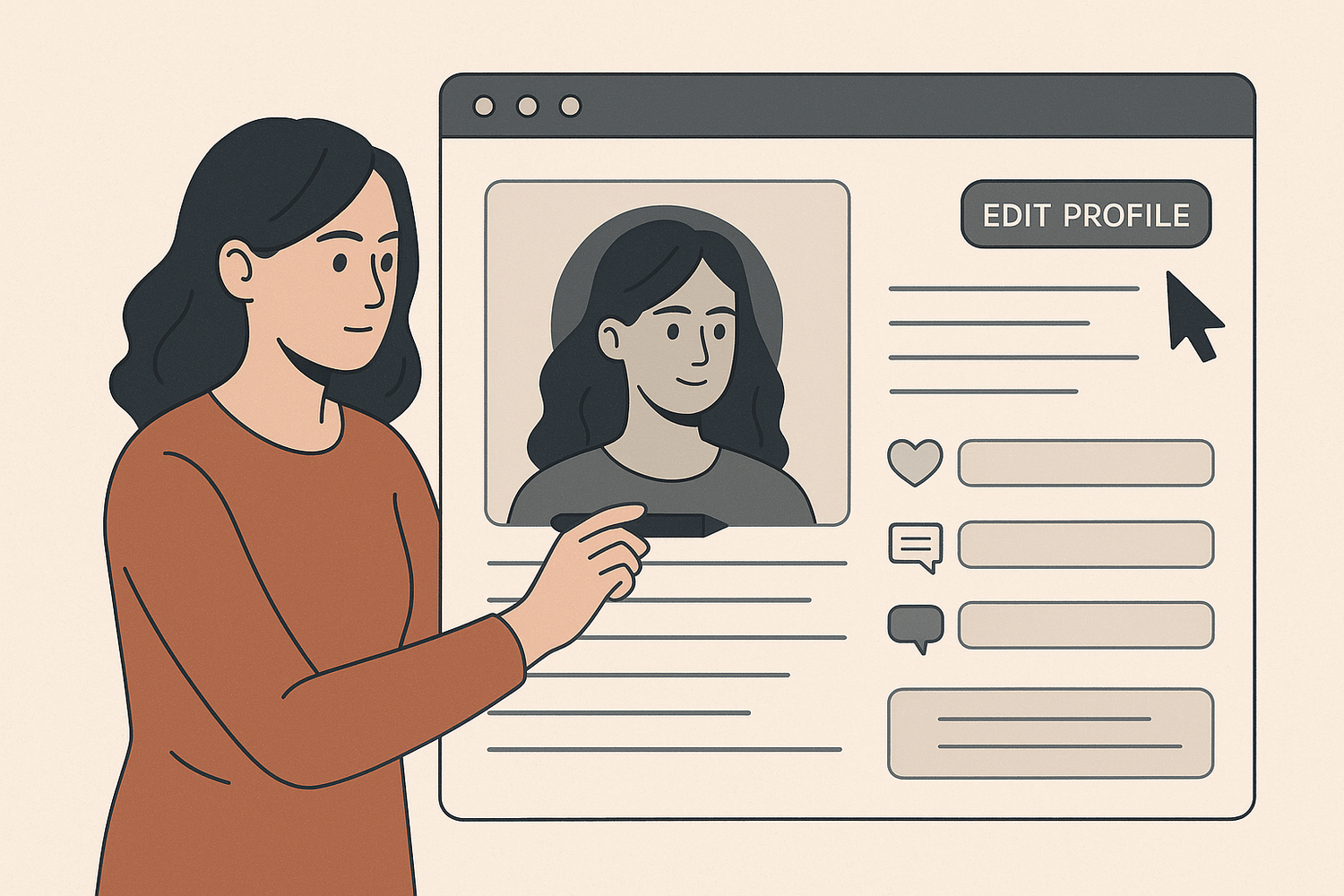
In today’s online environment, your profile is more than just a set of pictures and bullet points—it’s a dynamic narrative that you actively shape. Every choice, from the words you select to the images you upload, contributes to an overarching impression. By understanding the psychology behind each element, you can polish your persona in ways that align with your objectives, whether that’s fostering meaningful dialogue or standing out in a crowded feed.
Cognitive Biases Shaping Your Self-Editing
“What we see confirms what we already believe,” goes the proverb. Confirmation bias occurs when we selectively highlight aspects of ourselves that fit our existing self-image. If you believe you’re witty, you’ll spotlight playful captions and memes, overlooking any posts that reveal vulnerability. Recognizing this tendency allows you to introduce balance: share moments that stretch beyond your comfort zone and invite honest reflection.
Halo Effect
When a single positive trait overshadows all others, the halo effect is at play. A well-styled profile picture might lead viewers to infer that you’re outgoing, creative, and capable—even if your written bio is sparse. To harness this bias, ensure that all elements—photo choices, color palette, and tone—cohere around the qualities you wish to project.
Social Feedback Loops and Iterative Refinement
One of the most potent forces in profile refinement is social feedback. Every like, comment, and share generates data that informs your next edit. Over time, this creates an iterative loop:
- Upload content.
- Observe audience response.
- Adjust style, tone, or visuals.
- Repeat the cycle.
By treating feedback as a form of gentle guidance rather than harsh judgment, you stay responsive without losing your center. Keep track of patterns in metrics such as engagement spikes or dips to guide strategic updates.
Emotional Triggers in Profile Polishing
Emotion is a powerful lever in digital presentation. Images featuring smiles, bright colors, and open body language tend to evoke warmth and approachability. Meanwhile, thoughtful quotes or reflective captions can foster empathy and connection. Be mindful of the emotional tone you wish to set—whether it’s playful, inspirational, or contemplative—and sprinkle your feed with micro-moments that steer viewers toward the feelings you intend.
Platform Algorithms and Impression Management
Understanding how algorithms sort and display content is crucial for effective profile curation. Each platform has its own set of rules, favoring certain types of posts at different times. For example, a quick video clip might perform better on platforms prioritizing motion, while a well-crafted paragraph could shine where long-form content is promoted. Regularly refreshing your profile elements, as recommended by the popular dating site TheLuckyDate’s community—profile picture, header images, and featured posts—signals to the algorithm that you’re an active contributor. It’s worth noting that many Theluckydate reviews highlighted the recurring patterns where user engagement shifts depending on how consistently profiles are updated.
Visual Elements and Their Psychological Impact
Visual cues carry so much weight that they can override textual content in mere seconds. Consider the following sequence:
- Color Psychology: Warm tones (oranges, yellows) convey enthusiasm; cool tones (blues, greens) imply calm.
- Composition: Centered subjects feel stable, while off-center shots can evoke energy and dynamism.
- Contrast and Clarity: High contrast grabs attention; softer focus can suggest intimacy.
By deliberately orchestrating these elements, you craft a seamless visual story that aligns with your purpose and personality.
Balancing Authenticity with Strategic Editing
It’s tempting to “over-polish” every post, but too much curation can backfire, making your persona feel contrived. Strive for a balance: present polished highlights alongside candid glimpses of everyday moments. This contrast not only humanizes you but also reinforces trust. Remember, a slight off-the-cuff remark or an unfiltered snapshot now and then can be more engaging than a perfectly staged scene.
Strategies for Mindful Online Self-Revision
Adopt a systematic approach to your revisions. Start by scheduling periodic profile reviews—perhaps monthly or quarterly—where you analyze performance metrics, revisit your objectives, and adjust accordingly. Here are some techniques to incorporate:
- Reflective Journaling: Note down what feels most “on-brand” and identify any emerging gaps.
- Peer Feedback: Request constructive critiques from trusted acquaintances who understand your vision.
- Content A/B Testing: Experiment with two styles of the same post to see which garners more engagement.
Experimenting in this way fosters a mindset of growth, allowing you to learn from both successes and missteps. Review insights around digital anonymity for an in-depth discussion on how anonymity affects self-presentation.
Conclusion: Navigating Profile Polishing with Confidence
Polishing your online persona is an art and a science. By understanding cognitive biases, leveraging social feedback, and aligning visual elements with your intended emotional tone, you can craft a profile that speaks coherently and consistently to your audience. Remember to schedule regular check-ins, balance curated and candid moments, and stay curious about emerging trends. With mindful editing and strategic refinement, you’ll project the confidence and clarity that invites meaningful digital engagement.